By Kevin McAteer
A fundraising campaign has captured hearts across Northern Ireland after friends of local cyclist Paul Collins launched an appeal to help him access specialist treatment following a devastating diagnosis of glioblastoma, an aggressive form of brain cancer.
The fundraiser, organised by Declan McConville, has already raised more than £67,000 towards its £100,000 target, with hundreds of people donating to support Paul’s treatment and recovery.
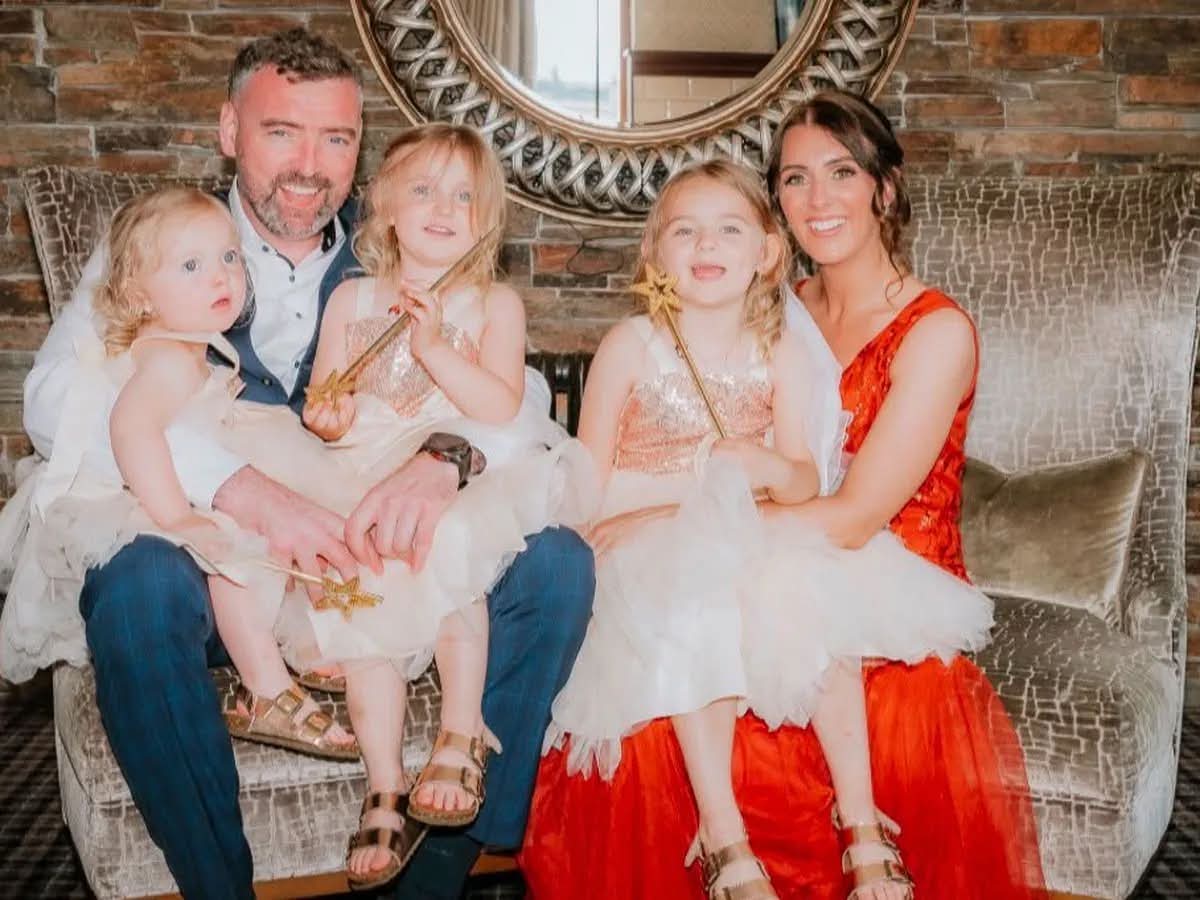
According to the appeal, Paul is a devoted husband to Donna and father to three young daughters. A passionate cyclist and member of Armagh Down Cycling Club, he has completed some of Ireland’s toughest endurance events, including the Wicklow 200 and the Ring of Kerry.
In recent years, Paul also completed the gruelling Dragon Ride in Wales before taking on the Mallorca 312, a 312-kilometre endurance cycling event featuring around 4,700 metres of climbing. Friends say he returned this year and completed the challenge again in an impressive ten hours.
However, only days after returning home, Paul reportedly collapsed and was rushed to hospital. Doctors discovered a mass on his brain on the 1st of May 2026, and on the 14th of May he was diagnosed with glioblastoma.
Paul is currently undergoing a course of radiotherapy and chemotherapy at Belfast City Hospital, with treatment continuing until the end of July.
The fundraiser states that Paul has also been accepted for treatment under Professor Gansange in Berg, Germany, where he is due to begin dendritic cell therapy on the 12th of August 2026.
Dendritic cell therapy is a personalised form of immunotherapy that uses the body’s own immune cells to help recognise and attack cancer cells. The aim of the treatment is to stimulate the immune system to recognise and target tumour cells. Research into dendritic cell therapy is ongoing, and its availability and evidence of benefit vary depending on the cancer type and treatment centre.
What is Glioblastoma?
Glioblastoma is an aggressive type of brain cancer that develops from cells called astrocytes, which support the brain’s nerve cells. It is one of the most common malignant brain tumours in adults and is known for its ability to grow rapidly.
Symptoms can vary depending on where the tumour develops but may include persistent headaches, seizures, changes in vision or speech, weakness or numbness, memory problems, confusion, and changes in personality or behaviour.
Treatment typically involves a combination of surgery, where possible, followed by radiotherapy and chemotherapy. Some patients may also be offered, or choose to explore, additional treatments such as clinical trials or specialist therapies, depending on their individual circumstances and the advice of their medical team.
Every person’s experience with glioblastoma is different, and outcomes can vary depending on factors such as the tumour’s location, overall health, and how the cancer responds to treatment.
The fundraising appeal says the overall cost of Paul’s treatment, travel and aftercare is expected to exceed £100,000, prompting friends and supporters to launch the campaign.
The response so far has highlighted the strength of community spirit, with hundreds of donations helping bring the family closer to their fundraising target.
Anyone wishing to support Paul’s fundraiser can do so via the GoFundMe page organised by Declan McConville.
Everyone at Clanrye News and Sport sends their very best wishes to Paul, Donna, their three daughters and the wider family. We hope the ongoing treatment is successful and wish Paul every strength in the weeks and months ahead.
ENDS
 CLANRYE NEWS