
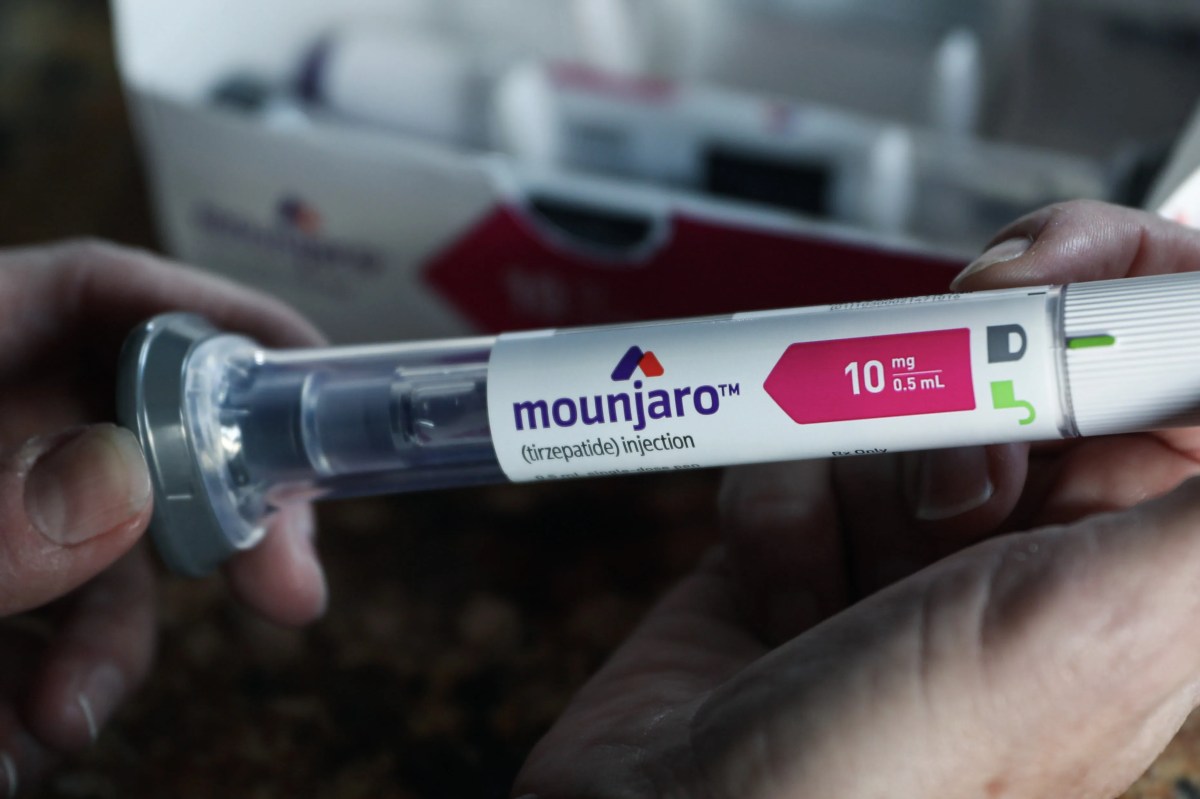
Mounjaro, the brand name for tirzepatide, is making waves in the UK as a groundbreaking treatment for obesity and type 2 diabetes. Approved by the Medicines and Healthcare products Regulatory Agency (MHRA) in November 2023, Mounjaro offers a new avenue for weight management, particularly for adults with a body mass index (BMI) of 30 or more, or those with a BMI between 27 and 30 accompanied by weight-related health conditions such as high blood pressure or heart disease.
How Mounjaro Works
Mounjaro is a once-weekly injectable medication that mimics two hormones, GLP 1 and GIP, which regulate appetite and food intake. By enhancing feelings of fullness and reducing hunger, it helps individuals consume fewer calories, leading to weight loss. Clinical trials have demonstrated impressive results: patients on the highest dose lost up to 22.5% of their body weigh over 72 weeks.
NHS Rollout and Accessibility
The National Institute for Health and Care Excellence (NICE) has endorsed Mounjaro for NHS use, targeting individuals with a BMI over 35 and at least one obesity-related health issue. However, due to resource constraints, the NHS plans a phased rollout over 12 years, prioritising those with the most urgent clinical needs. Approximately 220,000 patients are expected to receive the treatment in the first three years.
Personal Success Stories
Many individuals have reported significant health improvements with Mounjaro. For instance, one man shared his experience of losing three stone in six months, reversing his pre-diabetes condition, and regaining energy and confidence. He emphasized the medication’s role in curbing his appetite and breaking the cycle of overeating.
Pros and Cons of Mounjaro
As with any medication, it’s important to weigh both the benefits and potential downsides. Here’s a balanced overview:
Positives
Significant weight loss: Up to 22.5% reduction in body weight in clinical studies.
Dual benefit: Effective for both type 2 diabetes and obesity.
Appetite control: Helps reduce hunger and increases fullness.
Improved metabolic markers: Can lead to lower blood sugar, blood pressure, and cholesterol.
Possible reversal of prediabetes: Some users return to normal blood glucose levels.
Convenient: Administered once weekly via injection.
NICE-approved: Strong clinical backing for NHS use.
Negatives
Side effects: Include potential nausea, vomiting, diarrhoea, constipation.
Weight regain: Potential risk of regaining weight after discontinuation.
Limited long-term data: Long-term safety still under review.
Gradual NHS access: Rollout over 12 years, with limited immediate availability.
High cost privately: Can be expensive without NHS coverage.
Potential Hypoglycaemia risk: Especially for users on other diabetic treatments.
Lifestyle changes still needed: Not a substitute for diet and exercise.
Mounjaro represents a significant advancement in obesity treatment, offering hope to millions struggling with weight-related health issues. As the NHS begins its gradual rollout, individuals interested in the medication should consult healthcare professionals to determine eligibility and discuss comprehensive weight management strategies.
 CLANRYE NEWS